
Happy Health’s Cuffless BP Device Wins FDA Clearance
Happy Health has received FDA clearance for its wearable ring, which continuously measures blood pressure without a cuff or external calibration.
Happy Health has received FDA clearance for its wearable ring, which continuously measures blood pressure without a cuff or external calibration.

Register for INVEST Digital Health, scheduled for October 29 in Dallas, for an engaging discussion on the impact of consumer-centered care from diagnostics to employer benefits and more.

Healthcare decision-makers, especially at pharmaceutical companies, must prioritize patient input. Data collected from social media listening is a significant step in the right direction.
The INVEST Digital Health conference, which will spotlight the consumer influence in healthcare, will include a discussion on wearables. It is scheduled for October 29 at Pegasus Park in Dallas. Register today!
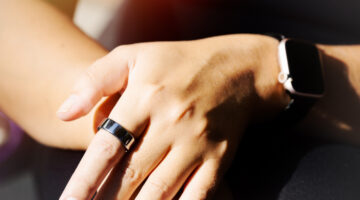
A new class action lawsuit accuses Oura of overstating its smart ring's sleep tracking accuracy, arguing the device relies on AI-generated estimates rather than the clinical measurements needed for true sleep staging. The case is reigniting questions about how much precision consumers should expect from AI-powered health wearables.

Scheduled for October 29 at Pegasus Park in Dallas, the theme of the INVEST Digital Health conference will be consumers in healthcare from d2c diagnostics to GLP-1 drugs and wearables. Register today!
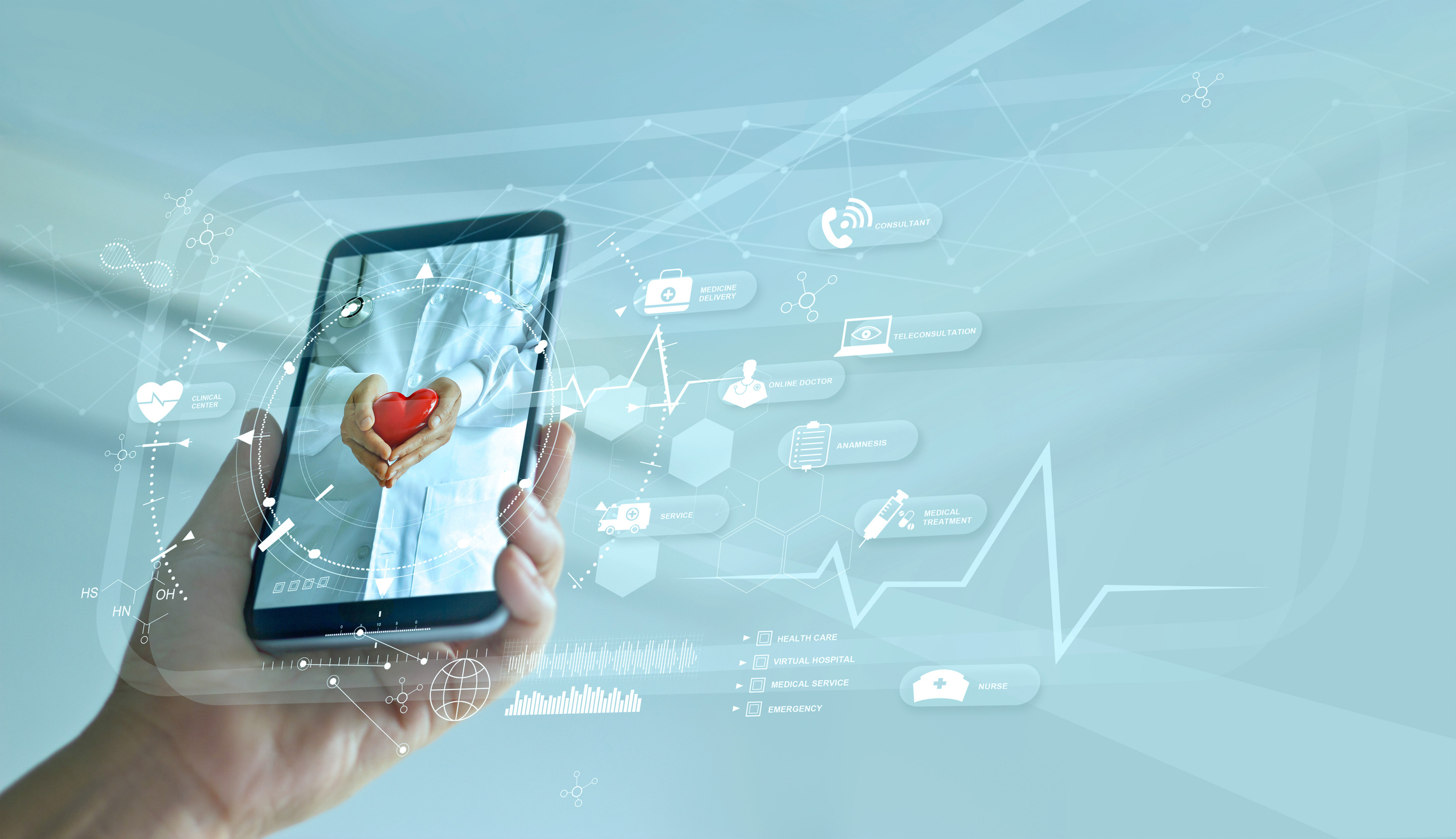
The future of health care innovation is technology that carries more of the load, so people don't have to.


In an interview, Kyan Health Co-Founder and Chief Commercial Officer Konstantin Struck discussed how Kyan gives mid-market and enterprise employers access to premium workforce mental healthcare, at a price point that is affordable.

The issue is not only functional. It is experiential. Many women do not need more scores. They need continuity, context, and support that feels companionable rather than corrective.
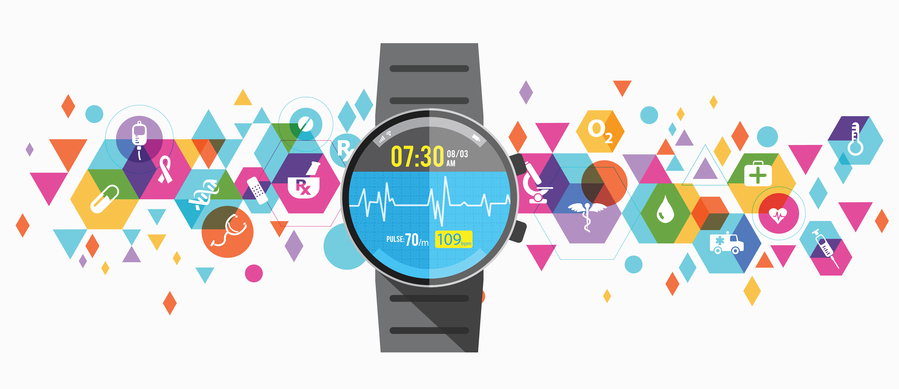
The takeaway from the current failure of wearables is that signal without synthesis doesn't change outcomes. If healthcare treats AI as just another way to collect or repackage data, it will repeat the same mistake.
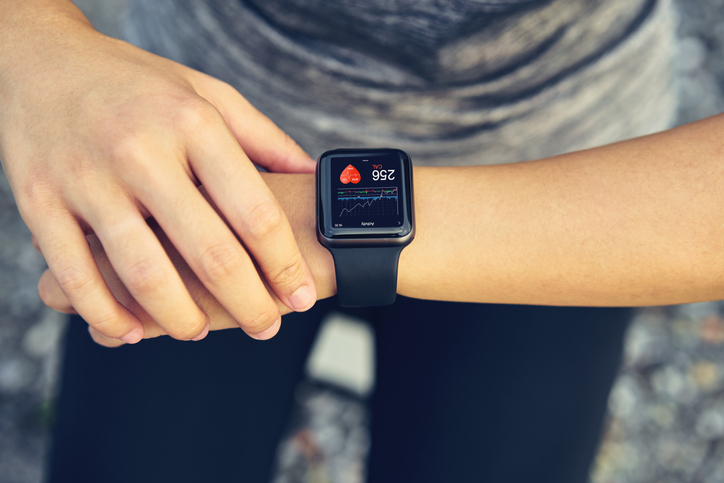
The challenge is determining whether wearable data is reliable enough to relieve the review burden, guide care, support reimbursement, or reassure a patient who is worried about their heart rhythm at two o’clock in the morning.
These products have yet to offer treatment solutions designed to get users from their current health state to a desired future health state. This creates a massive, untapped opening for tools that move people from awareness to action in a clinically meaningful way, without the cost and access barriers of engaging the healthcare system or requiring a prescription.


By reducing administrative burden and redesigning workflows around human needs, it creates space for what matters most: connection between clinicians and patients.

WHOOP'S Series G round was led by Collaborative Fund and includes participation from 2PointZero Group, Qatar Investment Authority, Cristiano Ronaldo and LeBron James.

Verily and Samsung are partnering to integrate data from Galaxy smartwatches into Verily’s Pre platform. The goal is to create an end-to-end system that pharma researchers can use to deploy wearable devices in studies, analyze patient data remotely and then interpret the results.
To shift wearables from wellness tools to useful drivers of disease management, the data they generate must be as trustworthy as it is plentiful. Clear frameworks that govern how information is gathered and used are needed, along with standards for the accuracy and reliability of devices
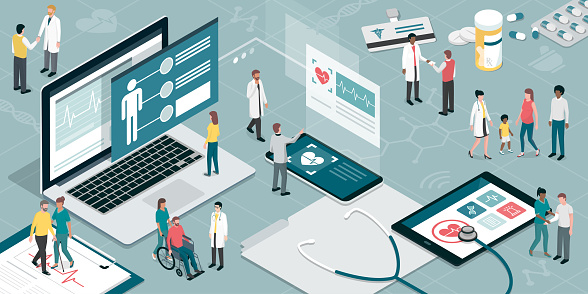
Healthcare today requires more than the partial snapshot offered by legacy technology. By integrating diverse data sources such as wearables, claims, communications, and ADT feeds, clinicians gain a comprehensive, real-time view of their patients’ health.

During a recent panel discussion, healthcare leaders highlighted that the true promise of technology lies in ensuring that tools are practical, trusted and widely usable for both patients and clinicians.